PHOTO
Last week reminded us all about the severe effects that heat waves can have on us and similarly its effects on wildlife can be devastating.
Heat waves differ from normal summer weather in that they include extreme temperatures for short periods of time that can be fatal.
Just like humans, most wildlife needs adequate shelter to escape the heat, and adequate water.
This article discusses some practical methods people can apply to help our wildlife both immediately and in the long term.
The main shelter requirement for wildlife is shade from the direct sun. For example when the ambient temperature is measured above 35 degrees Celsius, bare ground may be 20-30 degrees hotter.
In simple terms no wildlife can survive in the open during the day in summer heat waves.
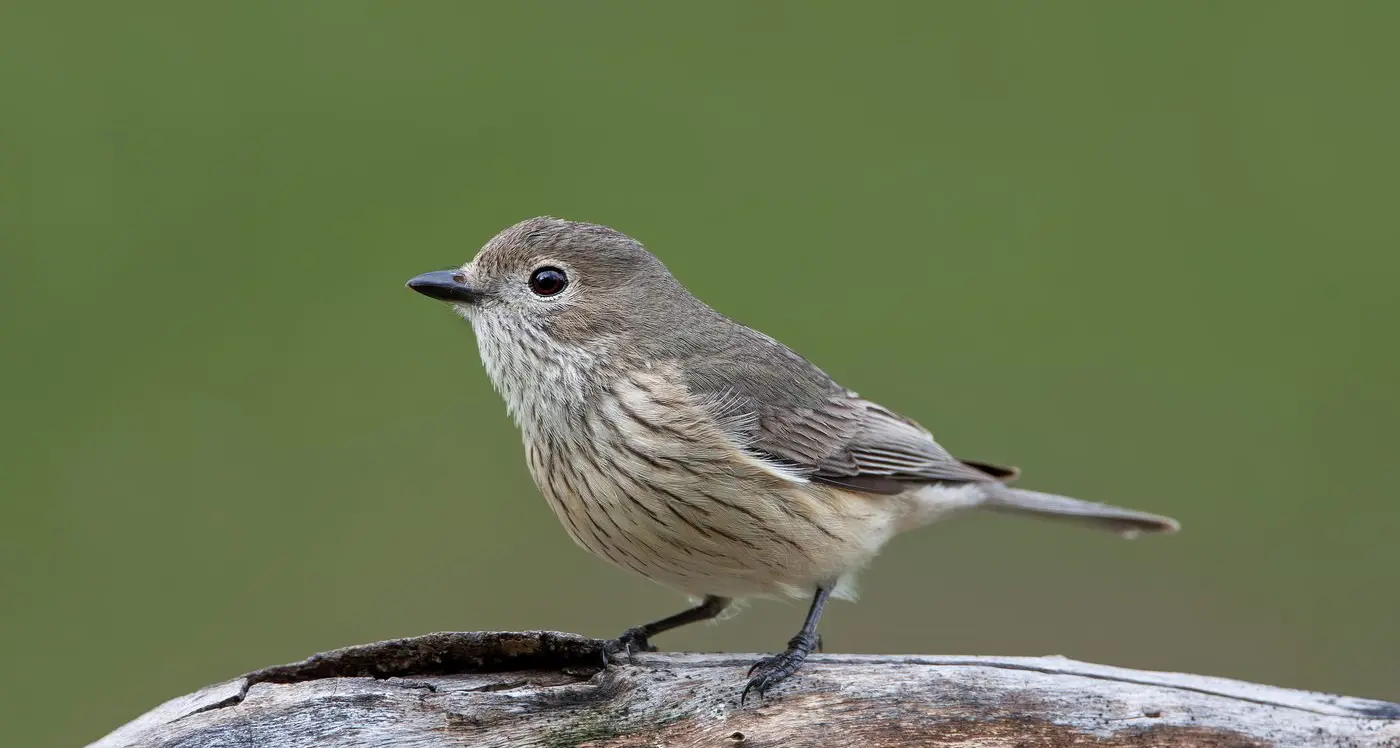
Shade can come in many forms, for example reptiles and frogs, when the wetlands are dry, often use dense grass or rush tussocks, whereas many small birds use dense low and middle level shrubs to shelter and open their beaks and wings to reduce heat.
Koalas are known to climb down from a tree and shelter on the shady side at the base of a tree.
The species best able to handle these conditions are those that can burrow for example, echidnas and wombats.
Many animals shelter during the day in tree hollows including mammals like possums and bats and a range of nocturnal birds including owls, generally this works well but if the hollow is exposed to the sun or is not very deep the animals must try and escape to a cooler resting place.
This is particularly important for anyone deploying nesting boxes to ensure they are in the shady aspect, usually south and east.
The other important role of shelter is from any prevailing hot wind, usually from the north and west.
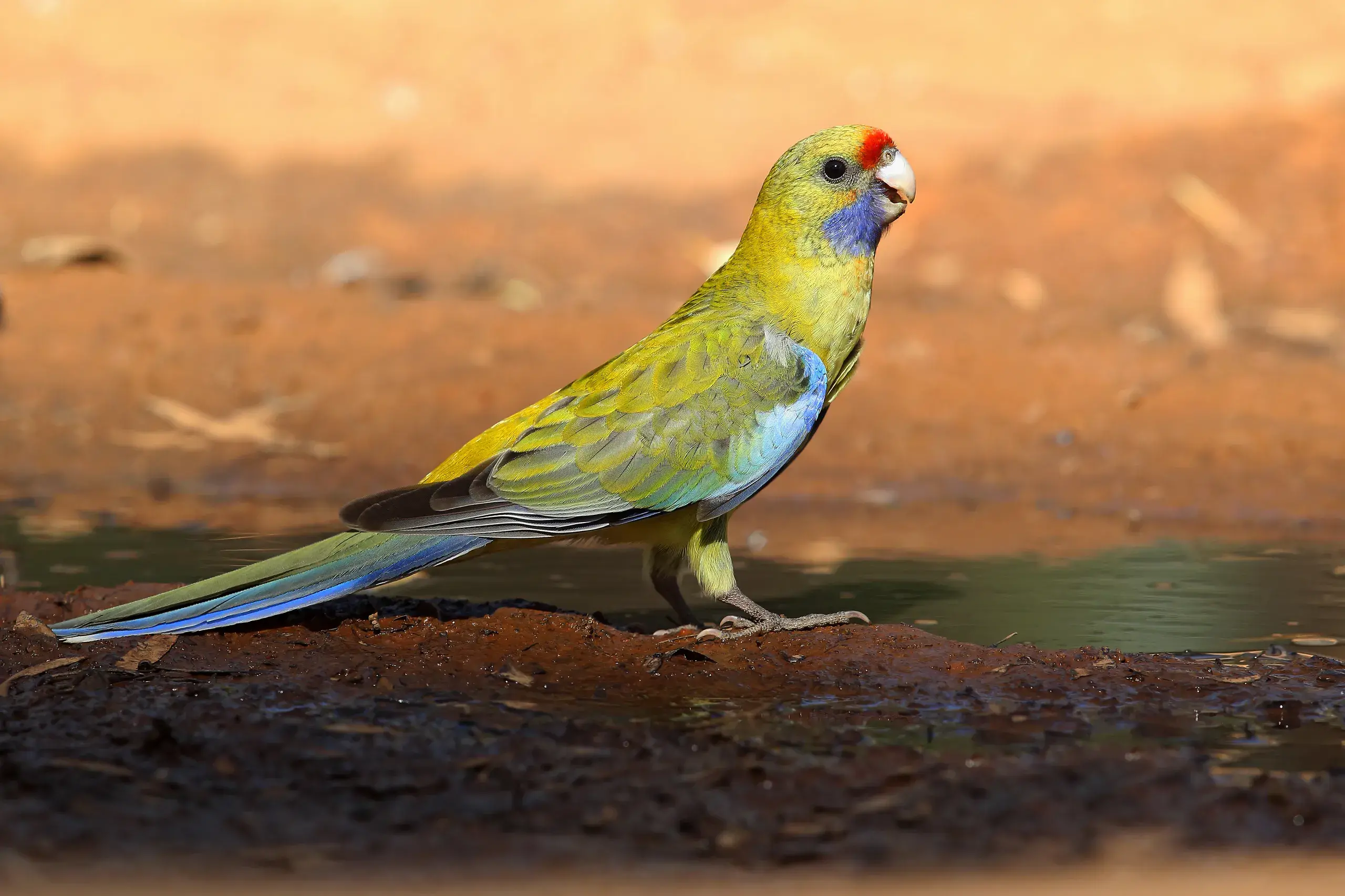
The other vital element for wildlife is to ensure that there is access to water and unlike the provision of shelter and shade, which requires a long term fix, water can be provided relatively easily though bird baths and the like around parks and gardens.
These should be filled daily during the heatwave and preferably emptied weekly to not increase the mosquito population.
All the above points to the importance of our magnificent timbered waterways throughout our region.
You only need to go for a walk early in the morning along these areas to see the abundance of wildlife that can survive heatwaves locally.