PHOTO
The efforts of the Wangaratta Grit and Resilience Program in the preventative mental health space have been recognised beyond the rural city, during a recent Sydney conference hosted by the Public Health Association of Australia and mental health organisation Prevention United.
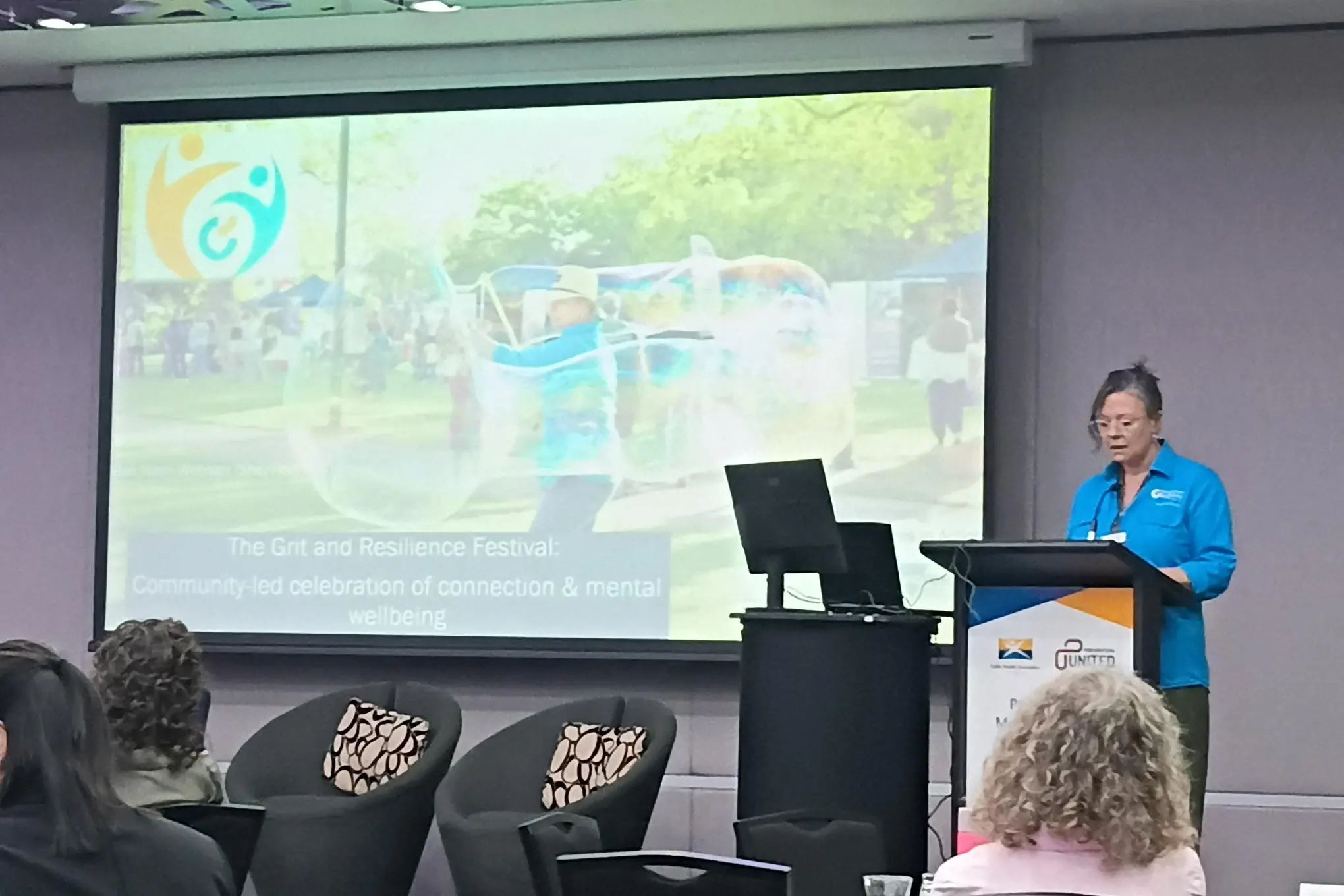
Program coordinator Bek Nash-Webster spent two days in Parramatta taking in ideas presented at the Preventive Mental Health Conference 2026, where she said the theme was simple and powerful: doing better by working together on prevention and mental wellbeing across the nation.
The conference focused on developments relevant to mental health and preventive mental health, and featured expert international and national speakers, including Ms Nash-Webster, who has led the Grit and Resilience program since its 2019 inception.
Conference discussions considered what is working and what is not, what can be done to strengthen results, and how to boost collaboration to improve the mental health and wellbeing of Australians.
"I'm grateful I could be there and bring the best bits home to Wangaratta," Ms Nash-Webster said.
In her address to the conference, Ms Nash-Webster showcased the Grit and Resilience Program's Old School Night Out initiative, and its annual Grit and Resilience Festival, to plaudits from the audience.
"When you think about 'what is preventative mental health?', I think of that line that 'it's better to build a fence at the top of a cliff than to have an ambulance waiting in the valley'," she said.
"Through initiatives like ours, we're not even getting close to the cliff; we're doing things to reduce the likelihood that people will experience low wellbeing, by setting up supports for positive wellbeing."
Ms Nash-Webster said it was pleasing to be able to showcase what Wangaratta was doing in terms of preventative mental health.
"People were excited about what we're doing here - it's prevention in action," she said.
"We're absolutely on the right track.
"I'm proud that our local work is strongly in the prevention space.
"The evidence is clear that when communities invest early, we see both health wins and financial gains over time."
Ms Nash-Webster said across discussions at the conference, leaders made a clear case for shifting more effort to promotion and prevention.
"Highlights included an opening address from Emma McBride, Federal Assistant Minister for Mental Health and Suicide Prevention, and a moving session on First Nations social and emotional wellbeing," she said.
"One standout for me was The Big 5 from MindSpot, led by Professor Nick Titov at Macquarie University.
"It's a beautifully practical, prevention first way to look after our mental health, and it works at both a community and an individual level.
"The idea is five simple actions, done often, that are linked to fewer symptoms of anxiety and depression and higher life satisfaction.
"Their research shows a clear 'tipping point' when people do these actions several times a week."
'The Big 5' are: meaningful activities which give a sense of accomplishment or satisfaction; healthy thinking (having realistic thoughts about ourselves, the world and the future); goals and plans (having realistic, achievable goals that can help us stay motivated and move forward); healthy routines completed automatically which set us up for the day; and social connections with family and friends."
To learn more about The Big 5, visit mindspot.org.au/the-big-five
"It's pure prevention. No intake forms. No diagnosis needed. It gives people a common language for everyday habits that protect mental health, and it's easy to promote in neighbourhoods, clubs, workplaces, and schools," Ms Nash-Webster said.
She said the social and emotional wellbeing (SEWB) plenary also hit home.
"First Nations leaders reminded us that wellbeing is holistic and relational," she said.
"It is grounded in connections to body, mind and emotions, family, community, culture, Country and spirituality, and shaped by history and social determinants.
"When we listen and learn from this world view, prevention becomes more human and more effective.
"There was also encouraging talk about SEWB training and capacity-building with Aboriginal Community Controlled Organisations.
"National partners are actively supporting this space, including dedicated SEWB capacity building programs, and a policy partnership that's funded to continue through to June 2026.
"This is the kind of practical support that could benefit our local community."