
PHOTO
A Wangaratta family are sharing their story to help raise awareness about heart disease and hopefully help save lives in the process.
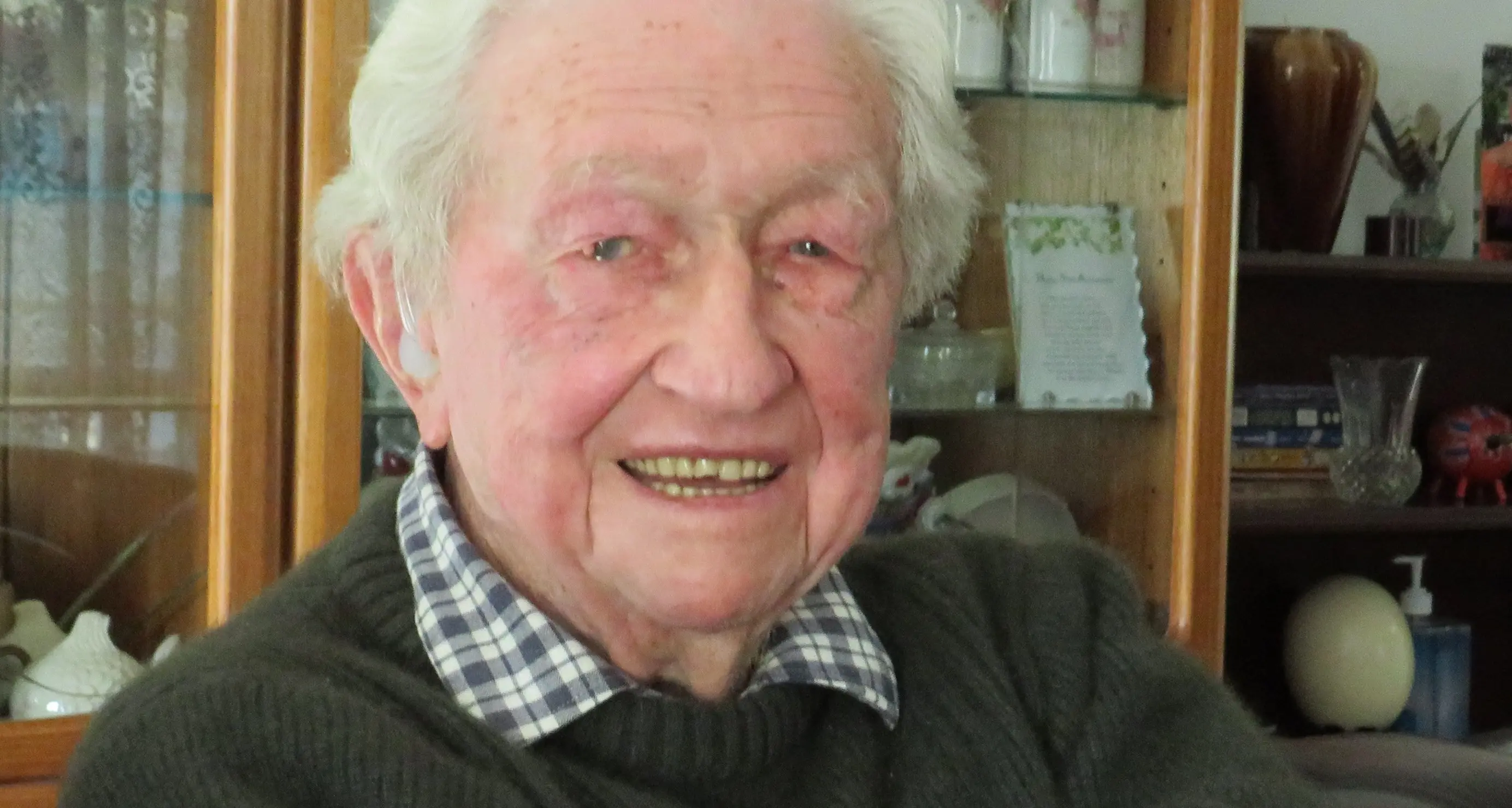
Retired Wangaratta pharmacist Chris Robb and his daughter Beth are part of the Heart Research Institute (HRI) 2025 Christmas Appeal, highlighting its work to prevent and treat heart attack and heart failure.
Rob's wife and Beth's mum Maureen lost her life to heart failure.
At age 56 she was told she had weeks to live after discovering a heart valve disease, that went undetected for decades, had put her into heart failure.
Instead, advances in heart research gave her 11 more years.
“It was amazing… it allowed my wife to be present for all my grandchildren,” Mr Robb said.
“We could travel and have all these life events that are precious to me now.”
Mr Robb encouraged families who may be enduring similar challenges to put their faith in the doctors and nurses.
“We’re very fortunate in this country… my whole experience with the doctors involved, extending to the nursing fraternity, everyone was absolutely amazing,” he said.
“The research that they’re speaking about… the skill of the doctors is amazing and that’s all brought about by passionate people and people dedicated to doing working in that field.
“They have to go through the process and arriving at diagnosis, and waiting can be challenging.
“My advice is to trust in those and go through the process.”
Beth said being part of HRI's Christmas Appeal and sharing her family’s story in this way is a beautiful way to honour her mum.
“The big takeaway is how a lot of what mum went through is really preventable,” she said.
Beth said her mum was “a real supporter of heart research herself”, and she encouraged people to be proactive about their heart health through regular blood pressure checks.
Cardiovascular disease claims one life every 12 minutes, and most people aren't even aware they have it until it's too late.
Heart failure affects 144,000 Australians, accounting for one in 50 deaths, with nine people dying each day and around 170 Australians hospitalised every day.
HRI scientific director and chief executive officer, Professor Andrew Coats AO, said it's often not obvious to someone that their heart isn’t pumping blood and oxygen around the body like it should be.
“Heart disease can affect any one of us," Professor Coats said.
"For too many Australians, it strikes without warning, taking the lives of loved ones far too soon.
"Heart failure doesn’t just affect the person diagnosed, it changes life for their entire family.
“Despite significant advances in survival, current drugs remain limited in terms of improving heart function or quality of life.
"We urgently need new therapies to help people live longer, fuller lives."
Professor Coats pioneered research into the positive benefit of exercise in addressing heart failure, and professor Julie McMullen, HRI deputy director and head of the Heart Muscle Lab, made a world-first discovery identifying a gene critical for exercise-induced protection.
Now, her team is developing innovative therapies that could replicate these benefits in people with heart disease.
“We’re trying to mimic the beneficial effects of exercise in a failing heart," Professor McMullen said.
"The goal is to reproduce the actions of the ‘good’ genes in the diseased heart."
Through the 2025 Christmas Appeal, HRI is inviting Australians to give the gift of research, helping scientists accelerate new discoveries in heart failure prevention and treatment, and give families more time with the people they love.
“Every donation funds vital hours in the lab,” Professor Coats said.
“Those hours in the lab translate into additional years and improved quality of life for people impacted by cardiovascular disease.”
To give the gift of time this Christmas and make a tax-deductible donation to HRI’s Christmas Appeal go to: give.hri.org.au/christmas