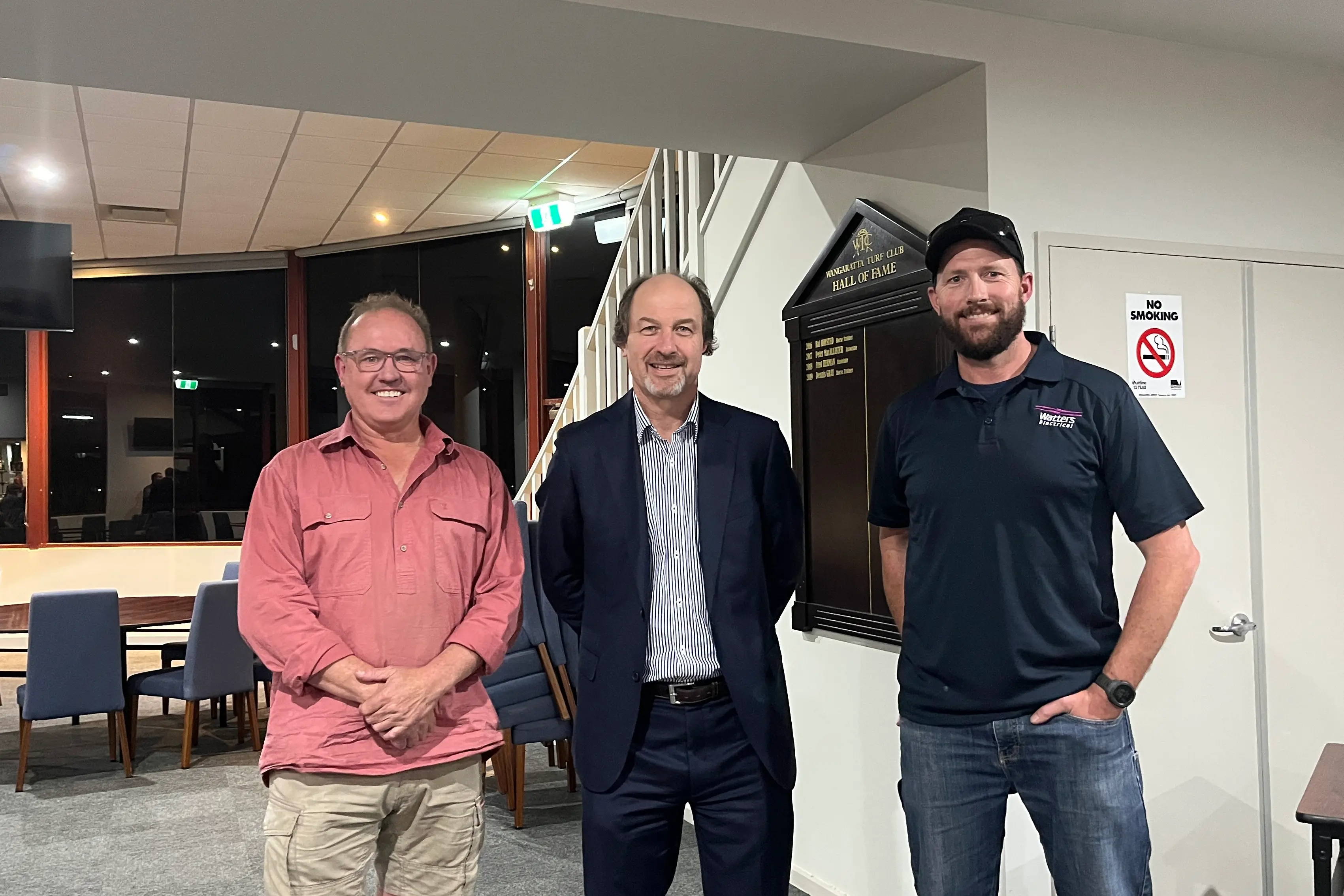
PHOTO
65878.0
It’s no question that the escalation in fuel prices amid the war in Iran has been felt across the country.
But for local businesses - that force is even greater.
Because regional businesses tend to service a larger area on a smaller scale, the sudden uprise in fuel prices left many businesses with two choices: absorb the impact or cover the difference.
According to Grow Wangaratta secretary Emma Merlo, it’s two choices many businesses are grappling with.
As CEO of Wangaratta Turf Club, Ms Merlo can speak to the impacts of fuel price surges on businesses.
“As a business, you’ve got to keep offering a service,” she said.
“I think a lot of businesses struggled with that decision with increasing pricing or passing on surcharges and it’s not something [they] have wanted to do.
“But they’ve had to – it’s put them into a position where they’ve had to make those types of financial changes to be able to keep up and keep going."
On a more positive note, Ms Merlo said Racing Victoria have been proactive in their approach to supplementing racing businesses, a business that relies on the transport of its race animals and jockeys.
But Ms Merlo said other business sectors such as agriculture are bearing the brunt of these costs.
“It’s the backbone of their business,” she said.
“It’s been something that I think a lot of them have really struggled with."
Watters Electrical and Solar operations manager Tim Houghton can attest to the challenging landscape local businesses are living in.
Due to the nature of their service and its area they service, their business depends on vehicles for transport, meaning more petrol and consequently, more strain on the pockets.
“We do a lot of work regionally, so we’re all around the place,” Mr Houghton said.
“We think a lot more before we do things.
“[Previously] we may go to sites in multiple vehicles, where now we try and make sure we’re carpooling to be more cross sectored.”
With more than 137 vehicles across their three branches in Wangaratta, Shepparton and Albury, they have been rocked by the fuel price surges.
“It’s the hardest thing... you try and make sure you look after your local clients and customers… so your not passing any of these costs on because obviously, the cost of living is increasing for everybody.”
As a community, Mr Houghton said the best way to support local businesses during this period is by supporting local, a message that is already pushed in regional towns.
“Use your local contractors to complete your works rather than having others coming out of town,” he said.
“We reinvest in the community as well.
“We support a lot of football clubs and community organisations.
“We support the community and we just hope that community supports us.”