
PHOTO
On Anzac Day we had a grandson come to visit.
A beautiful tall boy, clever and kind.
He is 16 and he made me think, remember all those 16-year-olds and younger, even 14, who told lies about their age so that they could take up the call to fight for king and country, to go off on a big adventure.
So many boys from farms and country towns, cities too of course.
Babies really, young, so very young.
But off they went laughing and joking, to hell, to mud and jungles, incessant rain.
Hidden enemies, all young and the innocent too.
The enemies, old men sending young men off to war.
Young men dying, scared and alone, eyes staring at the sky, crying for their mothers to hold their hand.
Babies really, young, so very young.
Those young men who did come home, the older ones too, the maimed and those damaged in their minds.
Those who survived came home to their mothers, their fathers, their loved ones.
They came home not laughing and joking any more, never the same.
They had left their young selves on the battle fields.
They survived, never the same.
Aubrey Cotton-Stapleton, Wangaratta
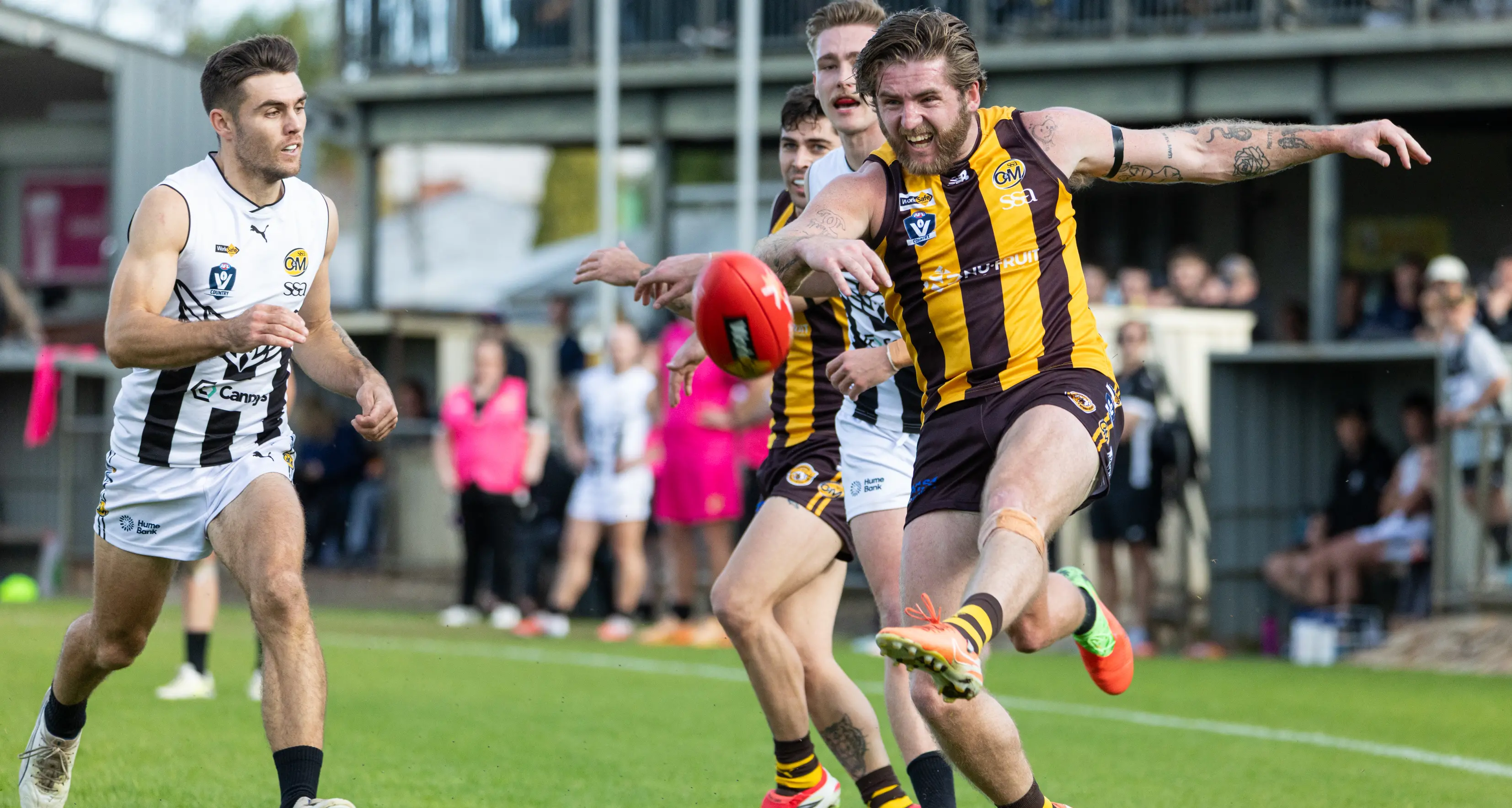
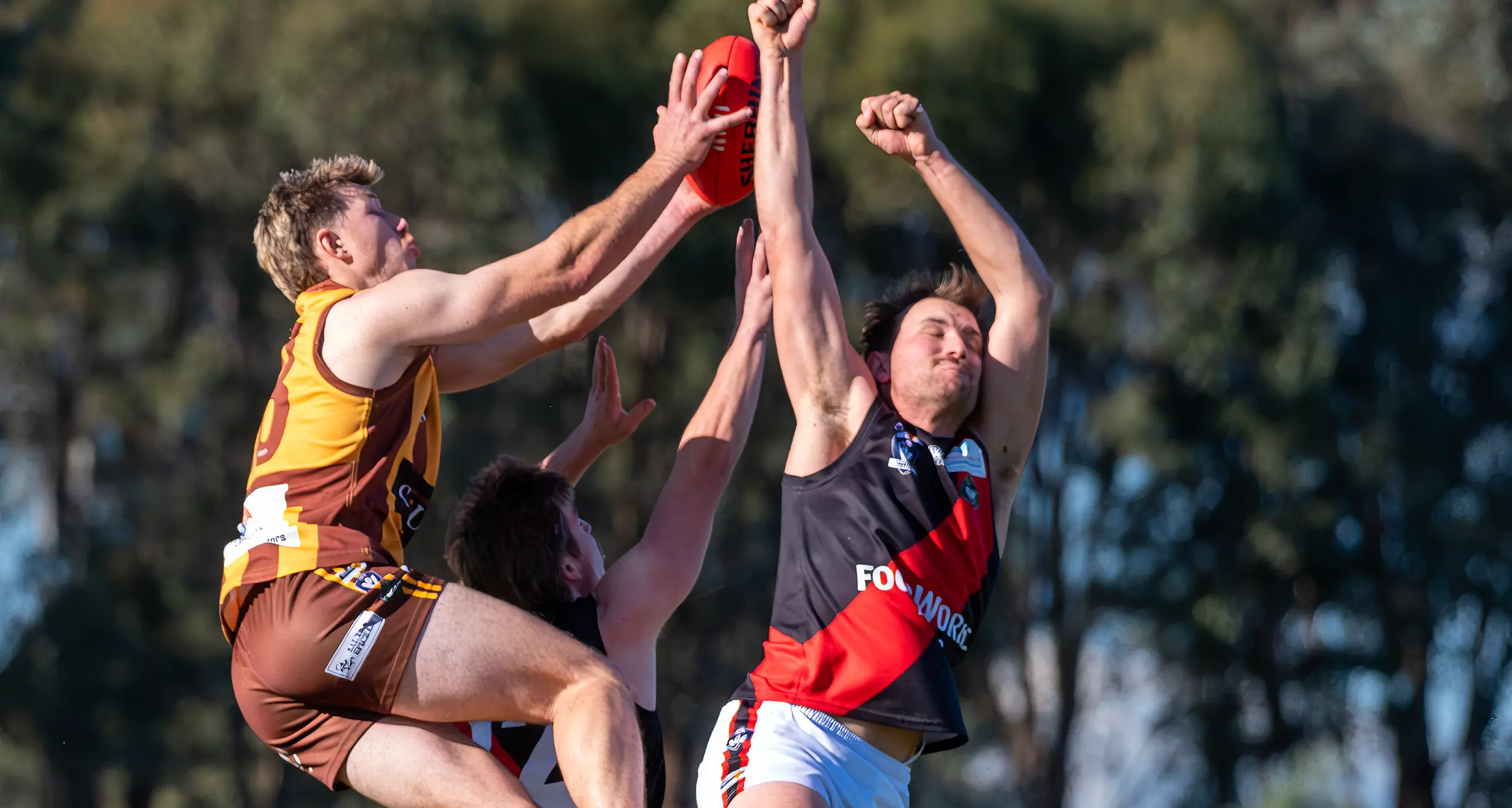
Local footy statistics available via email
If you have relatives who have played in the AFL you are fortunate as there are many avenues you can use to find details of their
career.
Unfortunately if they played in a lesser league the number of such avenues shrinks very quickly, or doesn't exist at all.
For over 25 years I've made an attempt to overcome that deficiency and would love to share my data with whoever wants it.
I am referring to both the Ovens and King and the Ovens and Murray Leagues where I have the goalkickers from well over 90 per cent of the matches.
Emailing me at barterfneil@gmail.com will probably get some information for you and make me happy that my research has not been in vain.
Neil Barter, Yarrawonga
Continue rebate discounts for over 65s on low incomes
Health insurers are calling on the federal government to exempt Australians aged over 65 on low incomes — including those on the Age Pension — from changes to the Private Health Insurance Rebate, warning the move could force vulnerable people to drop their cover.
Requiring pensioners and low-income older Australians to find hundreds of dollars more each year to maintain their private health insurance will lead some to downgrade their cover, or abandon it altogether.
About 39 per cent of Australians with private health insurance earn less than $55,000 a year.
This includes more than 900,000 older Australians who will be affected by the government’s proposed changes announced last week as part of its aged care cost-of-living measures.
Many of these people have annual incomes under $30,000 and many of them are in rural and regional Australia.
While we recognise the government’s equity rationale for aligning rebate rates for those over and under 65, the reality is this broad-brush approach will make private health insurance unaffordable for thousands of vulnerable Australians.
Although government modelling suggested around 44,000 people would drop their cover, those most affected would have higher healthcare needs.
The public hospital system is already under pressure and cannot provide timely care for many of these patients.
That’s precisely why they rely on private health cover to manage their health.
We urge the government to retain higher rebate levels for Australians earning less than $55,000 a year and recommending age-based differentials within each rebate tier be removed.
There is a large cohort of older Australians with chronic conditions who rely on the private system and already devote a significant share of their limited incomes to their healthcare.
It is economically counterproductive to reduce the rebate and push high-needs patients out of private cover.
This will increase pressure on public emergency departments, public hospital beds and elective surgery waiting lists, which are already struggling.
We supported reducing rebates for higher-income retirees, which was recommended in PHA’s 2026 Budget submission.
Reducing rebates for older Australians on six-figure incomes is sensible.
Many do not require additional support.
But our strong recommendation is to redirect that support to low-income Australians by increasing rebates for those earning under $55,000 a year.
Dr Rachel David, CEO Private Healthcare Australia (PHA)