PHOTO
If you're a parent, you've most likely heard about the world-first social media ban for under 16-year-olds.
The new law was implemented nationwide last week, and it’s fair to say the public response since has been divided.
Many parents are undoubtedly feeling a sense of relief at the thought of their teenagers no longer being glued to their screens.
Others are concerned about its effectiveness and some have called it performative; a band aid solution over something more nuanced, a move that puts marginalised communities at risk.
Regardless of your position on the matter, the dangers of social media have been documented through research over the years.
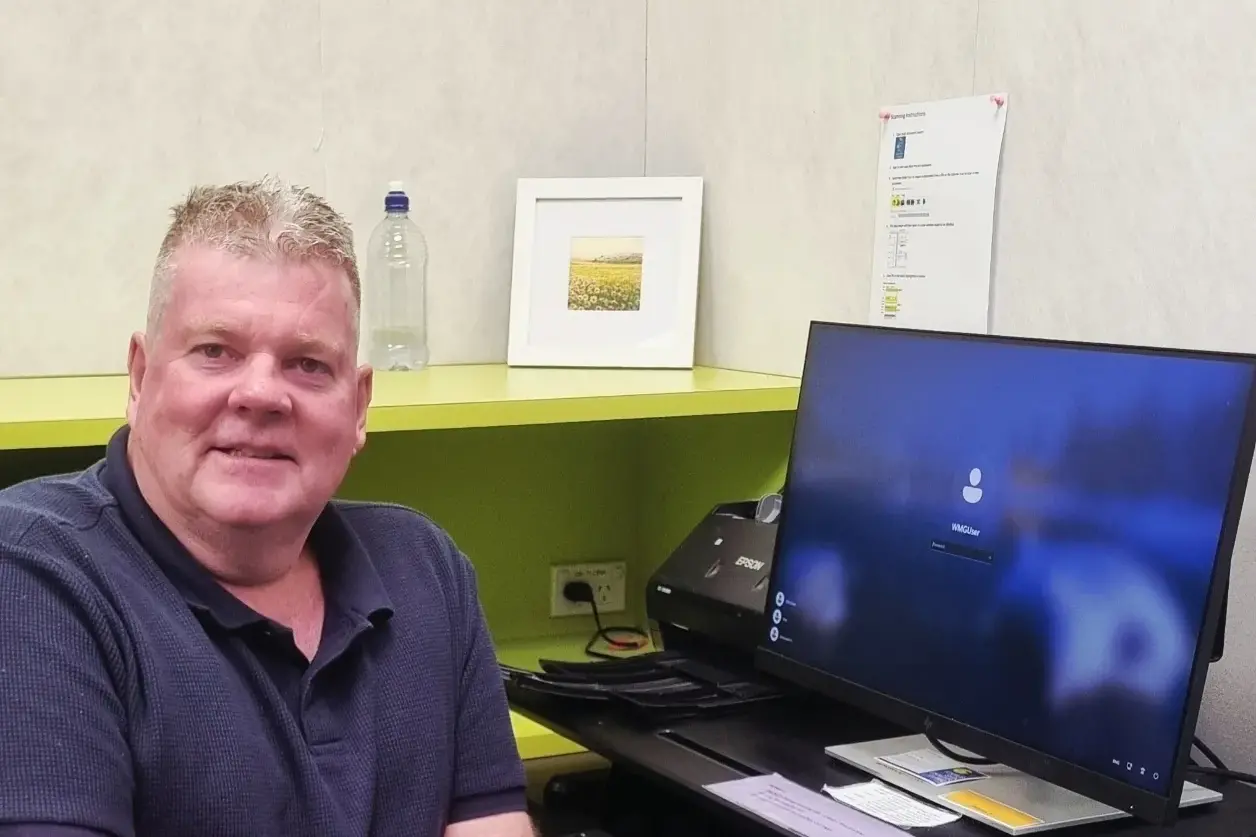
Local psychologist Neil Barassi said he has personally seen an uprise in social media use in adolescents, and that excessive social media use does resemble an addiction.
“Excessive social media use can quickly become addictive, causing dependence and withdrawal symptoms like anger and anxiety when offline,” Mr Barassi said.
“Many people feel stressed without access, check their feeds constantly, and prefer online communication over face-to-face, often unaware of how reliant they've become on instant connection.”
Social media has been groundbreaking in allowing users to create networks with world and opens up “unlimited access to endless information”.
But according to Mr Barassi, improper social media regulation and exposure to harmful material can have adverse effects on one’s mental health and wellbeing.
“Its widespread use in public spaces has led to many people being constantly engaged with their devices," he said.
“For users under 16, exposure to inappropriate material and disinformation can affect their understanding of the world, while interactions with strangers online may pose safety concerns.”
Mr Barassi said studies have identified a correlation between social media usage and the development of aggression, anxiety, depression, and social isolation.
“Research from ACU’s Institute for Positive Psychology and Education found that school-age children are especially at risk since they often exceed recommended screen limits and use devices to handle hyperactivity or emotional challenges,” Mr Barassi said.
Aside from social media content, social media has provided a new platform for children to be targeted by peers online.
“Cyberbullying is also on the increase, with children unsupervised viewing and sharing inappropriate online material," Mr Barassi said.
“Online bullying can be more secretive, widespread, and difficult to control, often causing greater harm both inside and outside of school.
“School students can access far more inappropriate material and even manipulate it using photoshop and artificial intelligence which results in limitless bullying techniques and behaviours.
“In an age where peer group pressure and acceptance can be at its most impressionable, teenagers’ self-esteem can be seriously influenced on the amount of 'likes' and 'shares' they receive on social media.”
Mr Barassi said under 16 year olds circumventing the ban is inevitable, but encourages parents of those affected to offer alternative strategies to cope with limited social media usage and offer mental health support and resources.
“Maintaining a healthy and active lifestyle is essential for everyone, particularly for young people,” he said.
“Encouraging offline activities such as sports, reading, or listening to music can be beneficial.
“Additionally, parents should actively promote opportunities for children to spend time with friends and engage in community activities outside the home."
The government has also acknowledged that the new law has been a huge transition for some kids.
As part of the Victorian Safe Socials program, new ScrollSafe resources are being carried out, designed to help secondary school students look after their mental health and stay safe online.
Moreover, Julie Inman Grant, eSafety commissioner, has called on parents, carers and young people in regional and rural communities visit eSafety.gov.au and access resources designed to help them handle social media age restrictions, which are now in effect.
“We understand that these changes may have a greater impact on some young people, particularly those living in rural and regional areas,” Ms Inman Grant said.
“Young people from regional and rural communities can still connect and communicate with friends through group messaging services, gaming and video conferencing apps.”
For more information about the ban visit esafety.gov.au/about-us/industry-regulation/social-media-age-restrictions-hub.