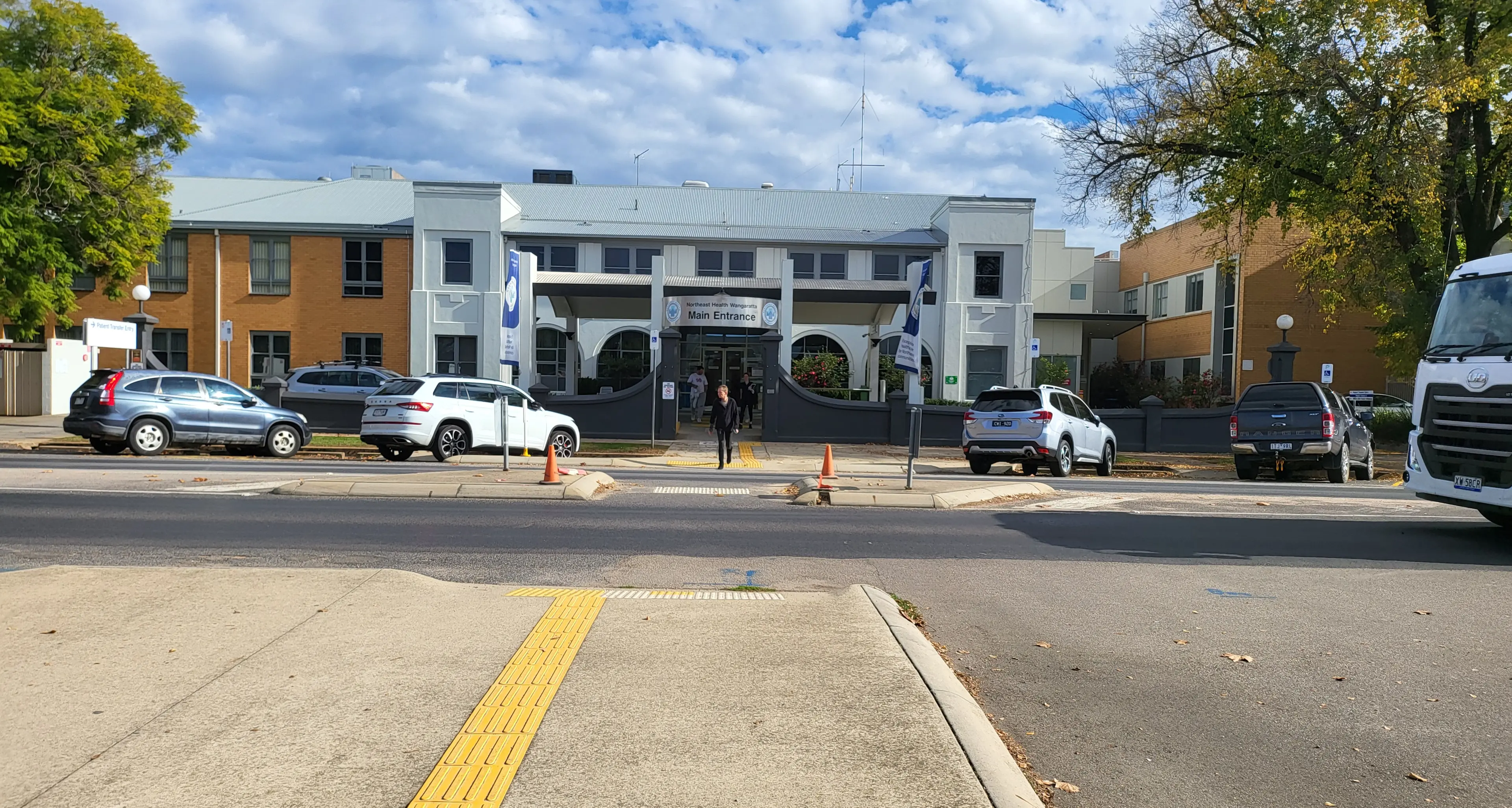
Regional communities often get thought of last by policy makers. Australia’s policy on gas is no different. In Victoria, gas use peaked in 2017 and is set to plummet 80 per cent over the next two decades. This is mainly because households are choosing to switch to electric appliances because they are cheaper to run. But it also means that the gas networks – the businesses that own the underground pipelines that bring gas into our homes – will soon start losing money and shut up shop. Most gas users in Australia have a legal right to get gas connected to their home, and they can’t be kicked off unless they fail to pay their bills. But in a quirk of the regulations, some regional communities have no such right. If their gas network starts losing money, the network can simply shut down. For those households, it would mean no more gas through the pipelines. They’d be forced to switch to electric appliances or get an LPG tank – and do it in a hurry. This has already happened to 10 towns in regional Victoria and two WA. In Victoria’s north-east there are two communities without legal protection, that could have their gas network closed with no notice – Rutherglen and Chiltern. To be very clear, there is no immediate risk of this happening. No one should panic. But given it’s already happened elsewhere in Victoria, the state government should step in to protect people before it does. The government should require gas networks to give people five years’ notice of shutting down their gas network. That would give people enough time to plan ahead. The decline of gas is also a problem for the bigger towns such as Wangaratta, even though their gas networks have a legal obligation to keep providing gas. As more and more households switch off gas, the fixed costs of maintaining gas pipelines fall onto fewer and fewer people, pushing up their bills. In fact, the national energy regulator forecasts gas bills could double by 2035. That’s untenable. And yet, without government action, the households that can’t afford to switch to electric appliances will be left paying the heavy price of keeping it going. The best solution is for government to slowly phase out the gas network as customers leave it. The government should also keep supporting those who need financial help to go electric. Declining gas demand is creating risks for regional communities all over – from sudden closures to skyrocketing bills. But with a bit of planning, governments can manage both risks. That’s something all regional communities deserve.