
PHOTO
68285.0
Regional community housing organisation Beyond Housing and youth homelessness support service NESAY have welcomed the changes to housing taxes in the recent federal budget while also emphasising an urgent need for more social housing.
The Australian Housing and Urban Research Institute reported that the changes to negative gearing and the Capital Gains Tax outlined in the federal budget would help first home buyers by ensuring investors do not have an inequitable tax advantage.
Beyond Housing CEO Celia Adams said the tax reforms would help rebalance the housing system.
“We’re pleased to see the housing tax reforms outlined in the federal budget,” she said.
“Housing has been treated as an investment rather than as a fundamental human need, and these changes are the first step to fixing this.”
However, the federal budget did not include any commitment to delivering more social housing, despite waitlists increasing.
The state budget, released earlier in the month, included a commitment to build 7000 additional social houses in Victoria over 10 years, however, Ms Adams said significantly more investment was needed.
“Social housing accounts for just over four per cent of all dwellings in Australia, which is desperately low," she said.
"However, in Victoria, things are even worse, with social housing only accounting for about 2.8 per cent of households, when it should be closer to 10 per cent.
“The state government’s commitment to 7000 new social houses over the next decade is welcome, but peak community housing and homelessness bodies are calling for almost 10 times that amount to meet the growing demand.
“It’s also vital that growing regional and rural communities get their share of this housing.”
NESAY CEO Laura Shortis said young people experiencing homelessness often present with complex and diverse vulnerabilities that require a multi-agency response, and she said demand was increasingly coming from a younger cohort seeking support because they were at risk of homelessness.
“This trend is being driven by a range of factors, including family relationship breakdown, family violence, and a growing need to gain independence and exercise greater self-agency over their lives,” she said.
Ms Shortis said young people needed a variety of safe housing options rather than a one-size-fits-all approach, and said NESAY supported Beyond Housing’s call for stronger, sustained investment in social housing while continuing to work closely with the organisation to provide wraparound support for young people across the region.
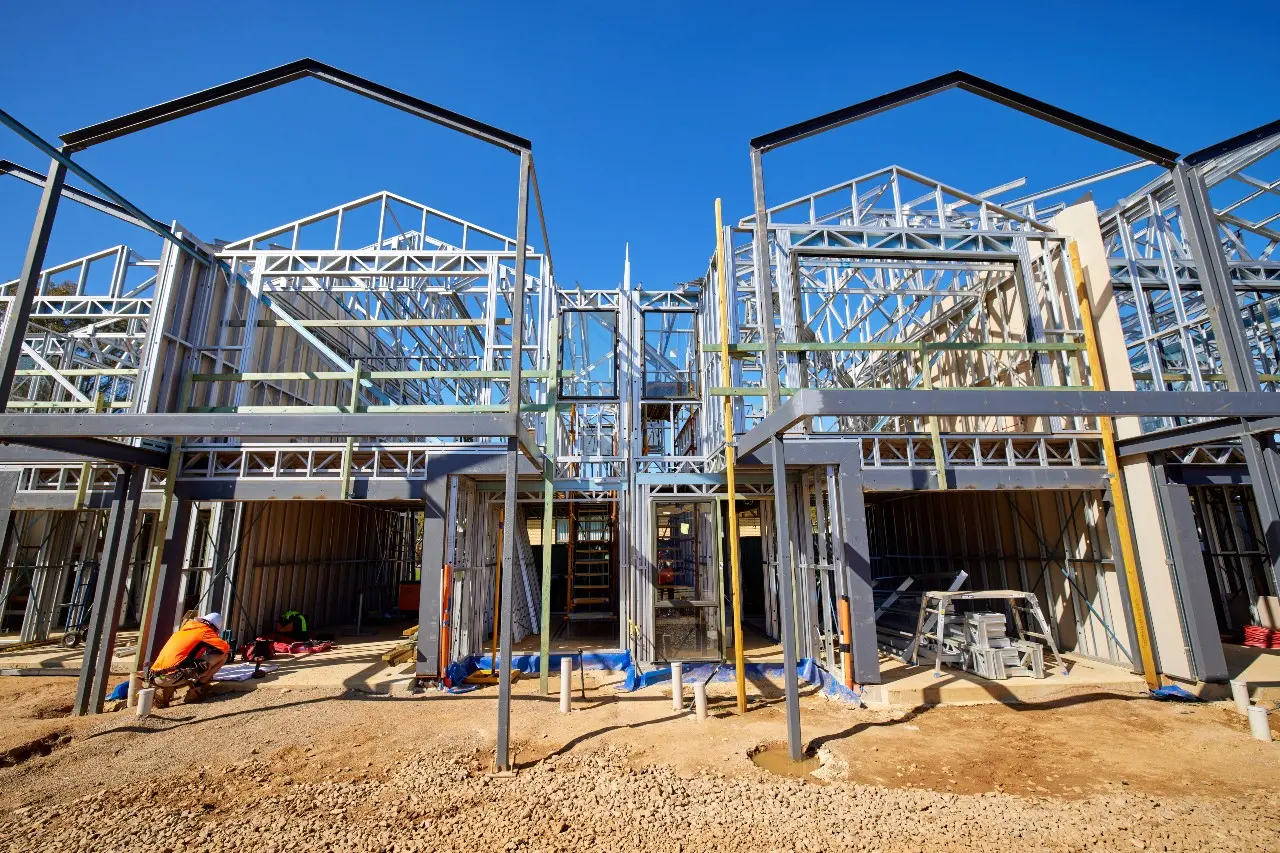
Beyond Housing is on track to deliver over 300 new social housing dwellings across the Goulburn and Ovens Murray region in the next two years.
However, these are predominantly funded by philanthropy and Beyond Housing, and only represent up to five per cent of the total applications on the social housing waiting list in the area.
“To get the social housing we need, the federal and state governments, together with the opposition, must commit to social housing targets nationally, along with a funding pipeline,” Ms Adams said.
“Without this, we can’t adequately address the worsening homelessness crisis and provide adequate support for those who are most vulnerable.”