PHOTO
68638.0
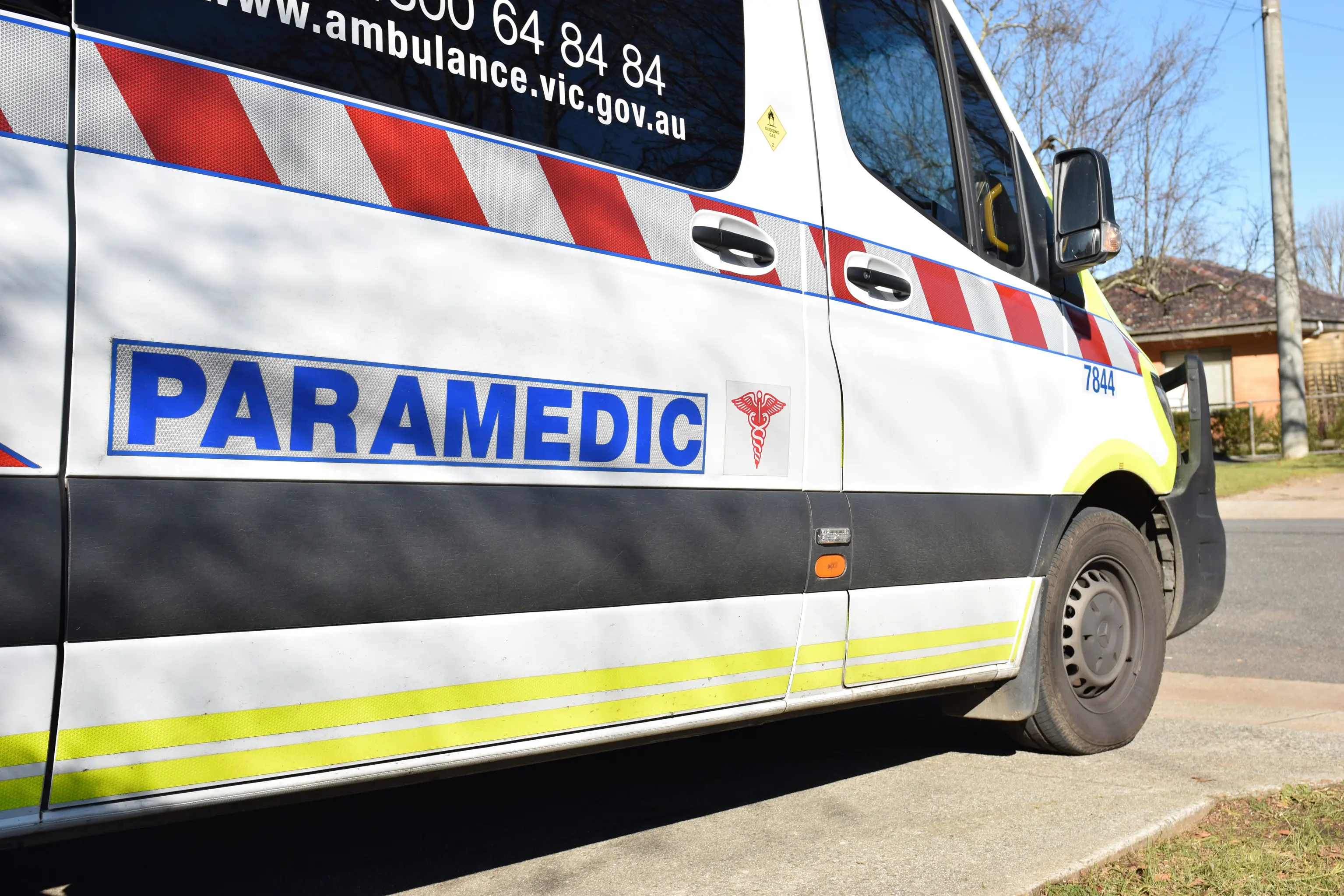
Paramedic response times within the Wangaratta area have reached a three-year high according to the latest Ambulance Victoria (AV) data.
Performance data for January to March this year shows Wangaratta’s average response time to 549 urgent callouts was 16:24, more than 90 seconds slower than the previous quarter.
It’s the first-time average Code 1 responses within the Wangaratta LGA have gone past 16 minutes since 2023.
Responses within the 15-minute threshold also dropped from 71.5 per cent to 68 per cent.
Across the entirety of AV's Hume region, paramedics and first responders were called to 5527 Code 1 cases.
In the Mansfield LGA, paramedics attended 54.4 per cent of Code 1 patients within 15 minutes – up from 40.5 per cent a year ago – the biggest improvement in the state.
The second biggest improvers for responses within the 15-minute threshold was the Indigo Shire, which jumped from 21.8pc a year ago to 29.3pc.
As a result, the average Code 1 response time decreased by 54 seconds.
Other North East LGAs including Strathbogie Shire and Alpine Shire saw an increase in response times in the latest quarter, with Alpine's average response time going past 24 minutes.
Statewide averages showed paramedics were responding to incidents 12 seconds faster than the previous quarter.
AV Hume regional director Narelle Capp said quicker response times were thanks to the incredible efforts of hard-working crews who were clearing hospital seven minutes faster than a year ago.
“When we leave hospital faster, we can get back out into the community faster – and that means better outcomes for patients facing critical life-threatening emergencies,” she said.
Hospital clearing times are the duration between an ambulance crew completing their patient handover and being available to attend another case.
The average clearing time in the Hume region has dropped from 29.6 minutes between January and March 2025 to 22.6 minutes between January and March 2026.
Ms Capp reminded people in the Hume region to access urgent care services appropriate to their medical needs that free up paramedics and first responders for the most critical, life-threatening emergencies.
“Getting the right care at the right time can make a big difference," she said.
"If you need urgent healthcare but it’s not life-threatening, we encourage you to consider Victoria’s range of urgent care services.
“There are many free and fast options people can access when you need timely medical care and health advice, at any time of the night or day, including the Victorian Virtual Emergency Department (VVED), Nurse-on-Call or Urgent Care Clinics.
“We also urge Victorians to protect themselves, their families and children against the flu ahead of another busy winter for paramedics and first responders.”
In a life-threatening emergency always call Triple Zero (000) immediately.