PHOTO
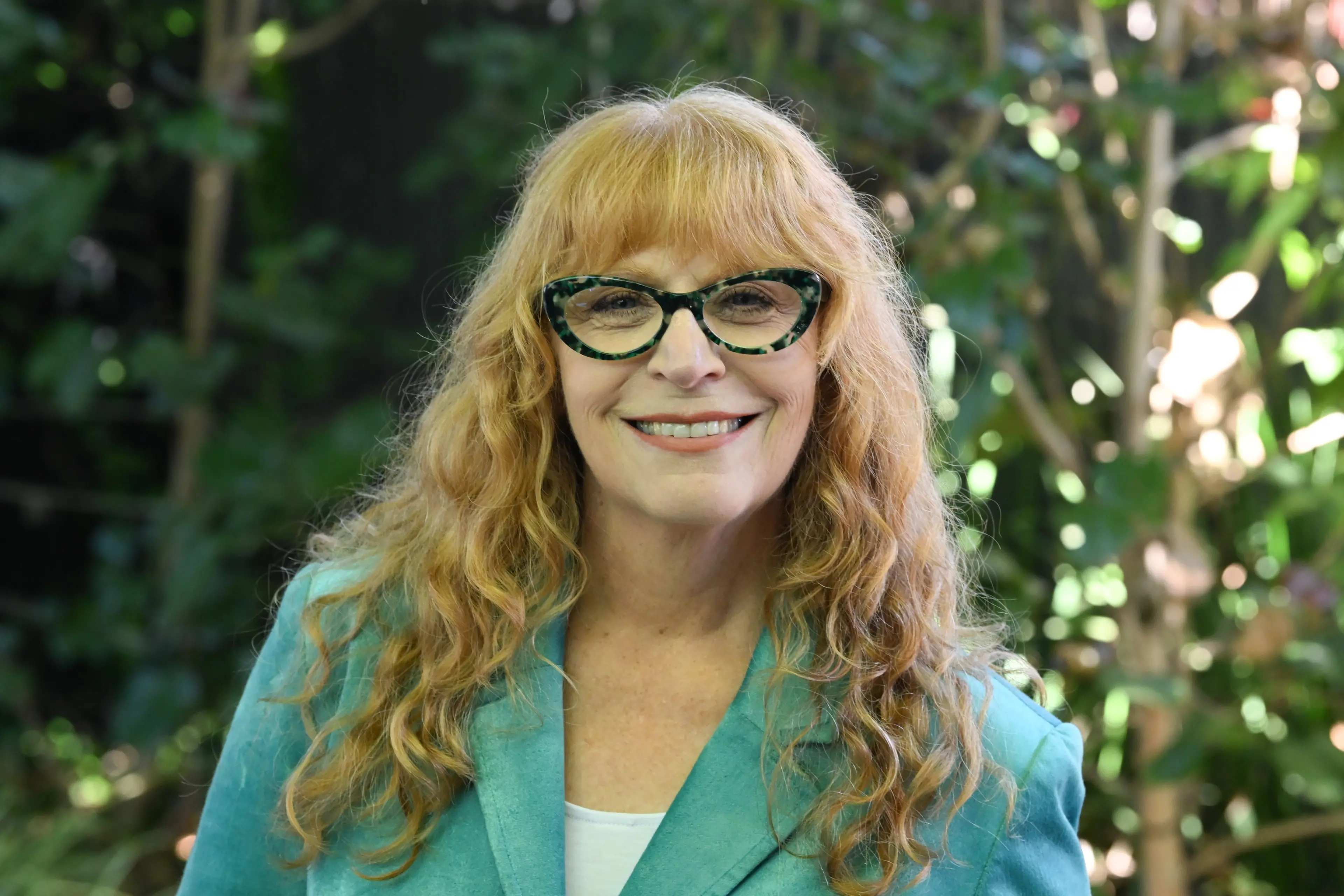
Telling the extraordinary stories of ordinary women is what drives bestselling author Victoria Purman.
The South Australian writer has done just that through her novels - from focusing on migrant women who came to Australia after World War 2 in 'The Last of the Bonegilla Girls'; to women involved in the 1950s heyday of radio drama in 'The Radio Hour'; and Australian nurses working in repatriation hospitals in England during World War 1 in 'The Nurses' War'.
"I'm a firm believer in the adage that every person has a story, and I love bringing those stories to life," Victoria said.
"As a woman born in the 1960s, I do feel an enormous debt of gratitude to the women who went before me, who quietly fought for change, who lived their lives constrained by society, convention, the church and by-laws which discriminated against them and kept them out of the corridors of power.
"How can we learn from history if we don't know it?"
Victoria will visit Wangaratta on Thursday, 14 May to speak about her latest release, 'The Marriage Trap', which continues her work in drawing on the stories of Australian women from different eras.
The book is set in 1960s Australia, where women began to see a world in which they could make their own decisions, particularly when it came to control over their bodies.
It is told through the eyes of three women in one Adelaide family: 60-year-old Olive, and two of her daughters, 20-year-old Cathy and 10-year-old Evelyn.
Cathy has big dreams for her life which are much different to what her mother has experienced; she wants to be the first in her family to go to university and become a teacher.
Evelyn is too young to think about what being a woman might involve, but as she grows through the decade, readers see her horizons expand through the choices she is able to make.
Olive thinks she is too old for social change, but when the church reiterates its position on contraception, she finds herself at a crossroads.
Victoria said she was inspired to write the novel by renewed efforts around the world to ban contraception, even condoms in some countries.
"It made me reflect on the easy road I had in the 1980s, when I went on the Pill to make sure I could control my body and decide if, and when, I would have children and how many," she said.
"I began to research, and I work on the theory that if I find a topic interesting, my readers might too.
"What I found was a story of women taking control of their bodies and their lives in defiance of societal pressure, the Catholic Church, and sometimes even the government.
"This is my love letter to women who grew up in the '60s in Australia, women who - for the first time - could see a world in which they could make their own decisions about the size of their families. Or, indeed, whether to have a family at all."
Victoria said the most important thing was choice, and this was echoed in discussions with readers through social media.
"I hope older readers might be able to reminisce about the era in which they grew up, and reflect on just how far we've come," she said.
"And I hope younger readers might realise how difficult things were for women back in the 1960s and '70s, and be inspired to be vigilant about any moves to curtail the rights we have as women to control our own bodies.
"We might think the rights we have are safe, but experiences from other parts of the world have shown us that sometimes these hard-fought rights are being wound back. We must never take them for granted."
Victoria Purman will be at the Wangaratta Library on Thursday, 14 May from 2.30pm, in conversation with Liz from Edgars Books & News. For more information, and to book, visit https://events.humanitix.com/victoria-purman