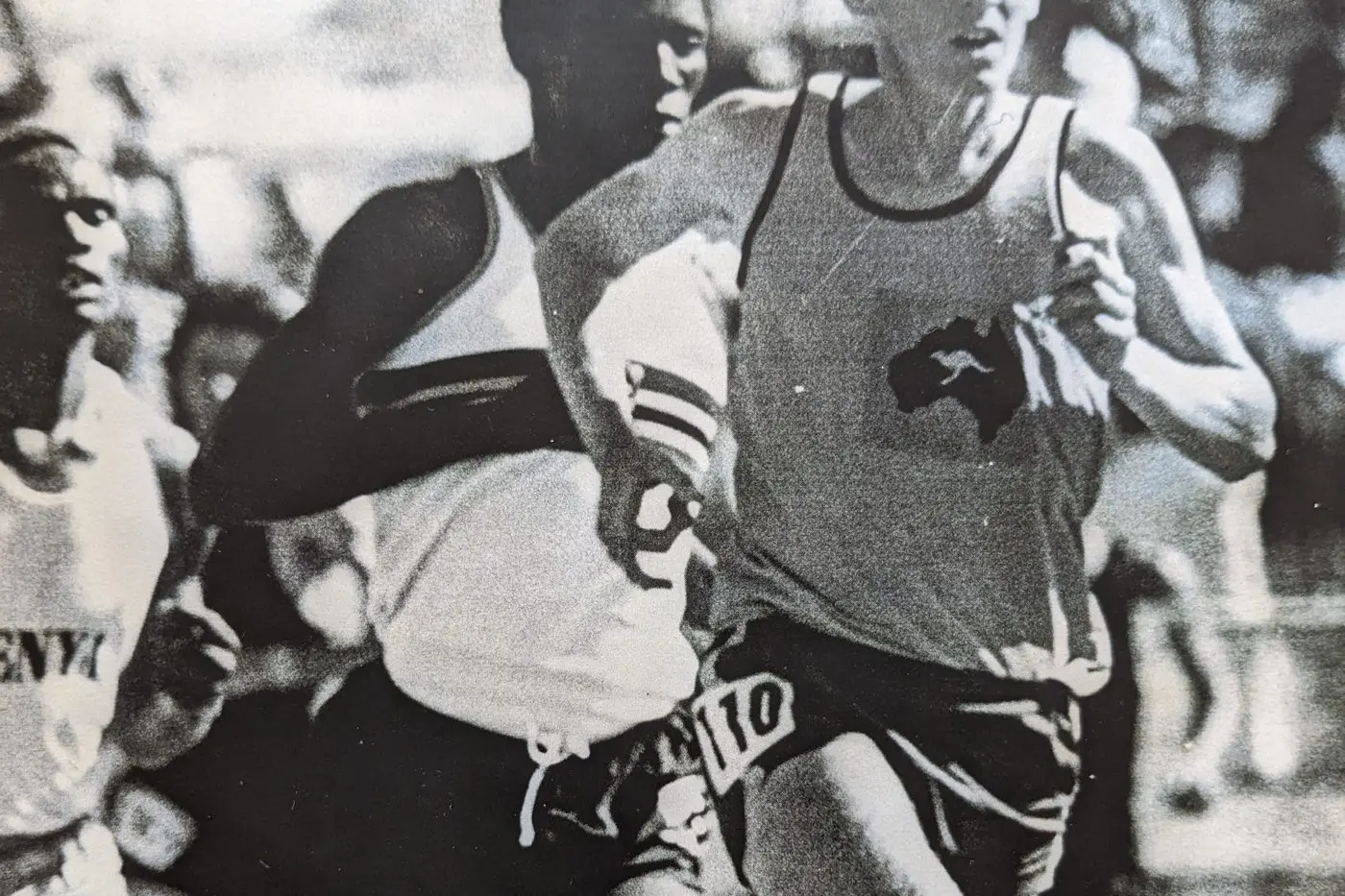
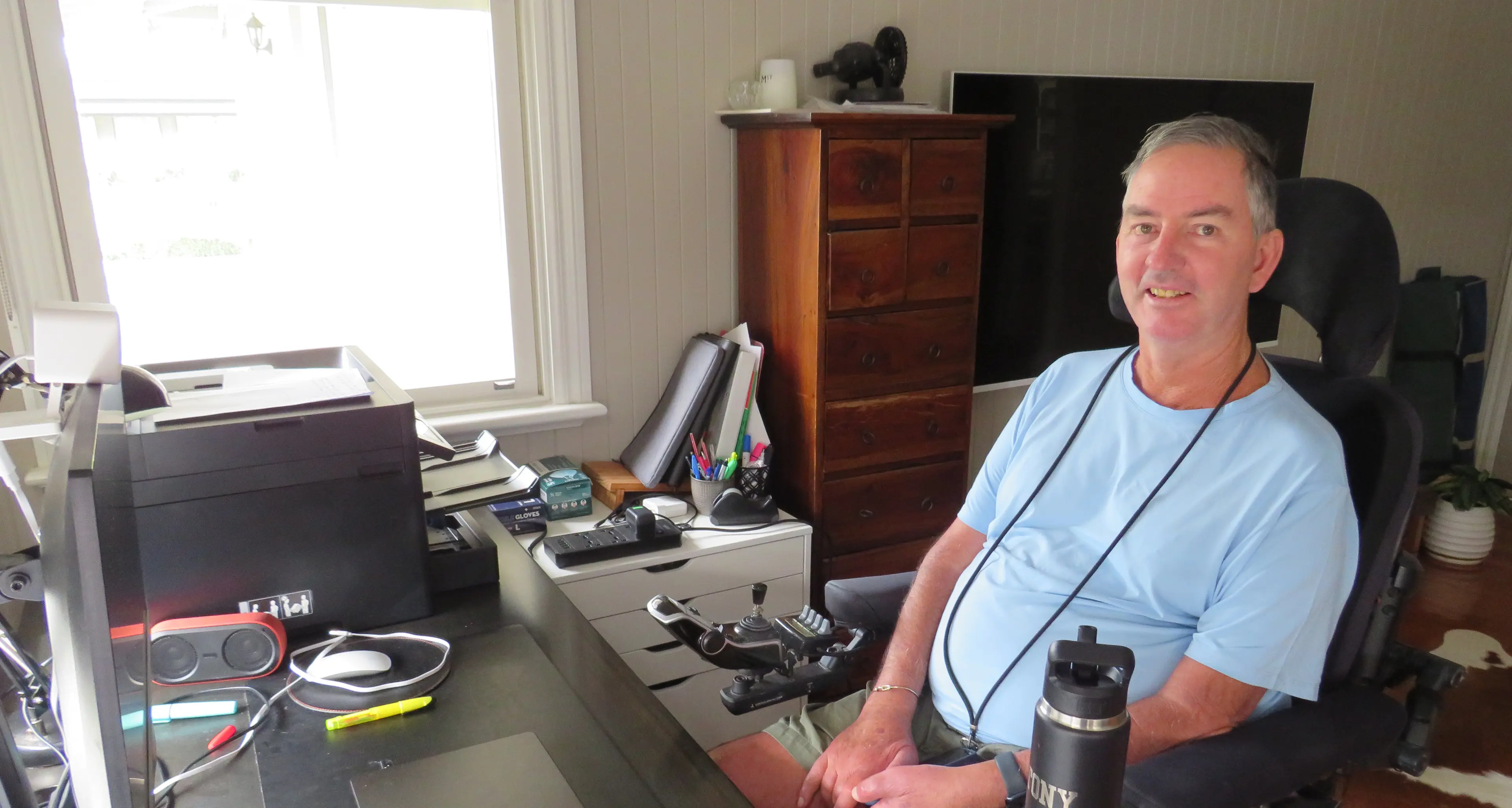
Bright’s Bill Scott was one of 50, 1980 Moscow Olympic athletes recently formally recognised for their efforts at the controversial Games, boycotted by dozen of countries in protest to the Soviet Union’s invasion of Afghanistan the previous year. At a dinner in Canberra on Wednesday, 30 July, Prime Minister Anthony Albanese formally acknowledged 121 athletes who defied the then government’s opposition to Australian athletes participating in the Games, with team members competing under a neutral flag at the 1980 Moscow Olympics. Bill, who competed in the 10km and placed ninth in the final in a time of 28:15.08, said he caught up with fellow athletes he hadn’t seen in years and appreciated the kind words from the Prime Minister at the dinner. “He spoke warmly to us,” he said. “Some 45 years later Mr Albanese’s words of support for the team were greatly appreciated by the athletes. “It was a great recognition, but not an apology: the dinner wasn’t meant to be an apology. “For Mr Albanese to officially recognise the Australian Olympic Team was rectifying. “The Minister of Sport also said a few good words.” Bill, who is a former teacher at both Bright P12 College and Wandiligong Primary School and has lived in Bright for 35 years, said his choice to participate in the Moscow Games was not a political statement, only a reflection of his commitment to sport and to uphold the key message of the Games. “If I thought for a second boycotting would save one life, I wouldn’t have gone,” he said. “The idea of the Olympic Games, as the founder of the modern Olympics, Baron Pierre de Coubertin said: ‘... [it’s] not winning but taking part, just as in life, what counts is not the victory but the struggle’. “I still feel it was very important Australia participated in the Moscow Olympic Games. “Australia is only one of two countries who has competed in all modern Olympics since they were reinstated in 1896. “We should be proud of that. “It would’ve been wrong if we had missed the Moscow Olympics for the wrong reasons.” When the Olympic team left Australia in 1980, there was much division within the country as to whether or not the team should go. The athletes were subject to verbal abuse from within the general population and in the media. Although Bill, 28 years old at the time of Moscow Olympics, was not adversely affected by criticism levelled at the team for going, he said some of the swimmers, who were only in their teens, were wounded by the negative criticism. Bill found the Olympic experience in Moscow lived up to the Olympic ideals. “As the host city, Moscow hosted a wonderful Olympics,” he said. “I fulfilled a dream I’d had from 14-years-old. “I found out early on I was good at running and aspired to run in the Olympic Games one day. “I had an injury which kept me out of the previous Olympics in Montreal in 1976, so I kept running and my injury came good.” In fact, Bill was ranked 9th in the world in the marathon and 10th in the world in the 10,000 metres in 1979. “When I was lucky enough to make the Olympic team for 1980, we were looking forward to it, then news of the boycott came through,” he recalled. “I was 28 and I thought there was no guarantee in the next four years I’ll be able to make the team again. “We didn’t participate under our Australian flag: that was our way of acknowledging the boycott. “We used an Olympic flag as our flag.” Bill said the Prime Minister at the time, Malcolm Fraser was a wool producer in the Western district of Victoria, whose farm was selling his wool to the Soviet Union while the Australian athletes were told not to go to Moscow. “Mr Fraser, in his memoirs, later said the boycott was a mistake,” he said.