PHOTO
56695.0
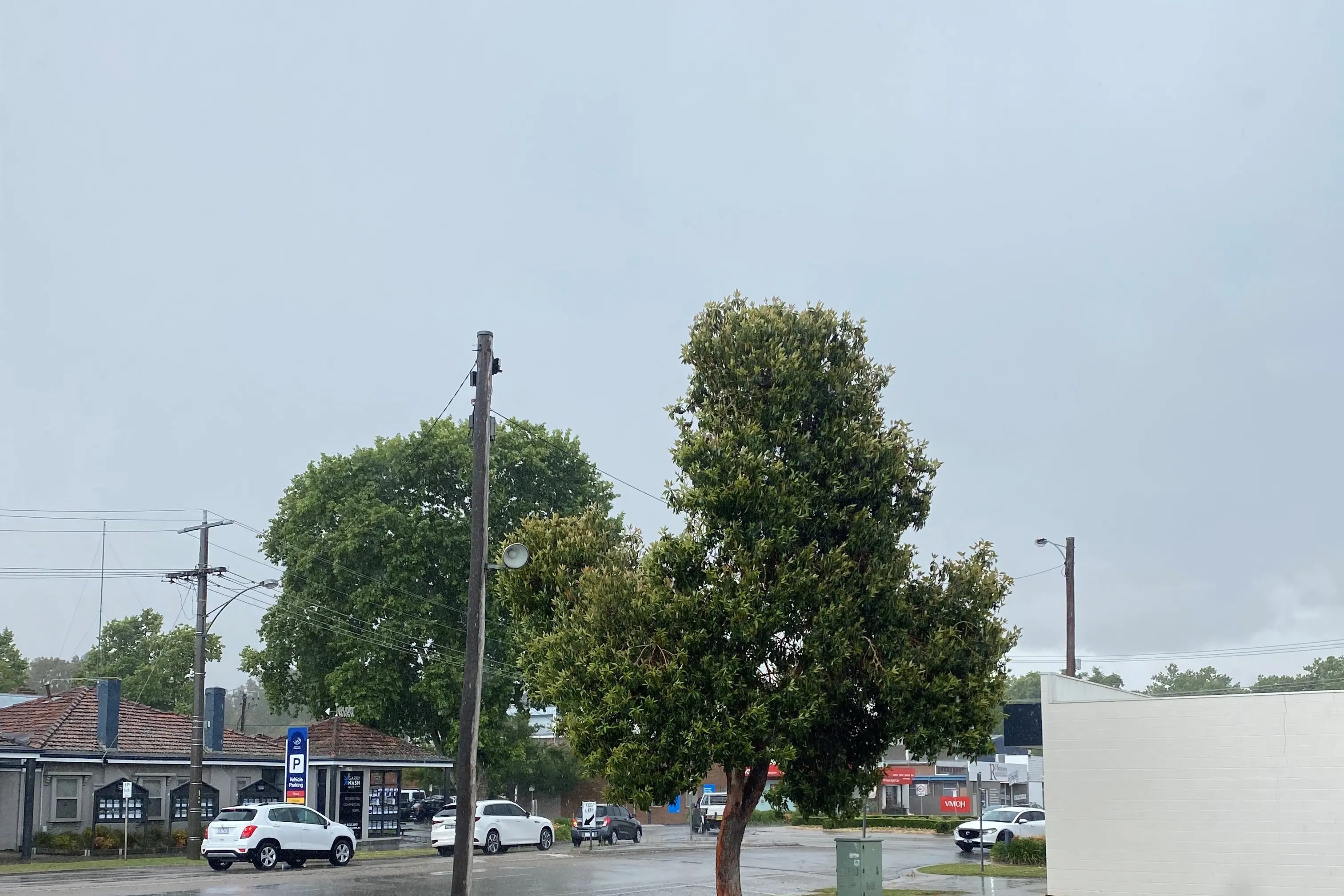
The Bureau of Meteorology’s weather station at Wangaratta Airport recorded rainfall on 10 days throughout November, but the total for the month reached just 36.4mm.
This makes last month the 43rd driest November in the past 100 years for the Rural City of Wangaratta.
While the recent showers offered some relief, the figure falls well short of the historical November average of 53.3mm.
However, it was the highest monthly total since July.
The year-to-date rainfall now stands at 409.2mm, significantly below the long-term average of 562.2mm for the first 11 months of the year.
Temperatures also varied widely during November.
Wangaratta's coldest minimum temperature last month of -1.3 degrees Celsius was recorded on 12 November, and the maximum temperature of 32.4 degrees Celsius was recorded on 2 November.
The bureau's outlook for December is 29 per cent chance of unusually dry (less than 13.7mm), a 34 per cent chance of above median rainfall (more than 34.9mm), and a 16 per cent chance of unusually wet (more than 91.5mm).
The forecast for December includes a 77 per cent chance of above median maximum temperatures (more than 29.5 degrees Celsius), a 37 per cent chance of usually warm maximum temperatures (more than 30.5 degrees Celsius), and a four per cent chance of usually cool maximum temperatures (less than 27.2 degrees Celsius).
Despite the chilly start to the moth, the bureau’s long-range forecast for December to February shows daytime and overnight temperatures are likely to be above average across most of Australia.
Maximum temperatures are likely to be above average (60 per cent to over 80 per cent chance) across most of Australia.
Across the southern states, there is no clear signal in the rainfall forecast, meaning roughly equal chances of above or below average rainfall, over the three months to February.