PHOTO
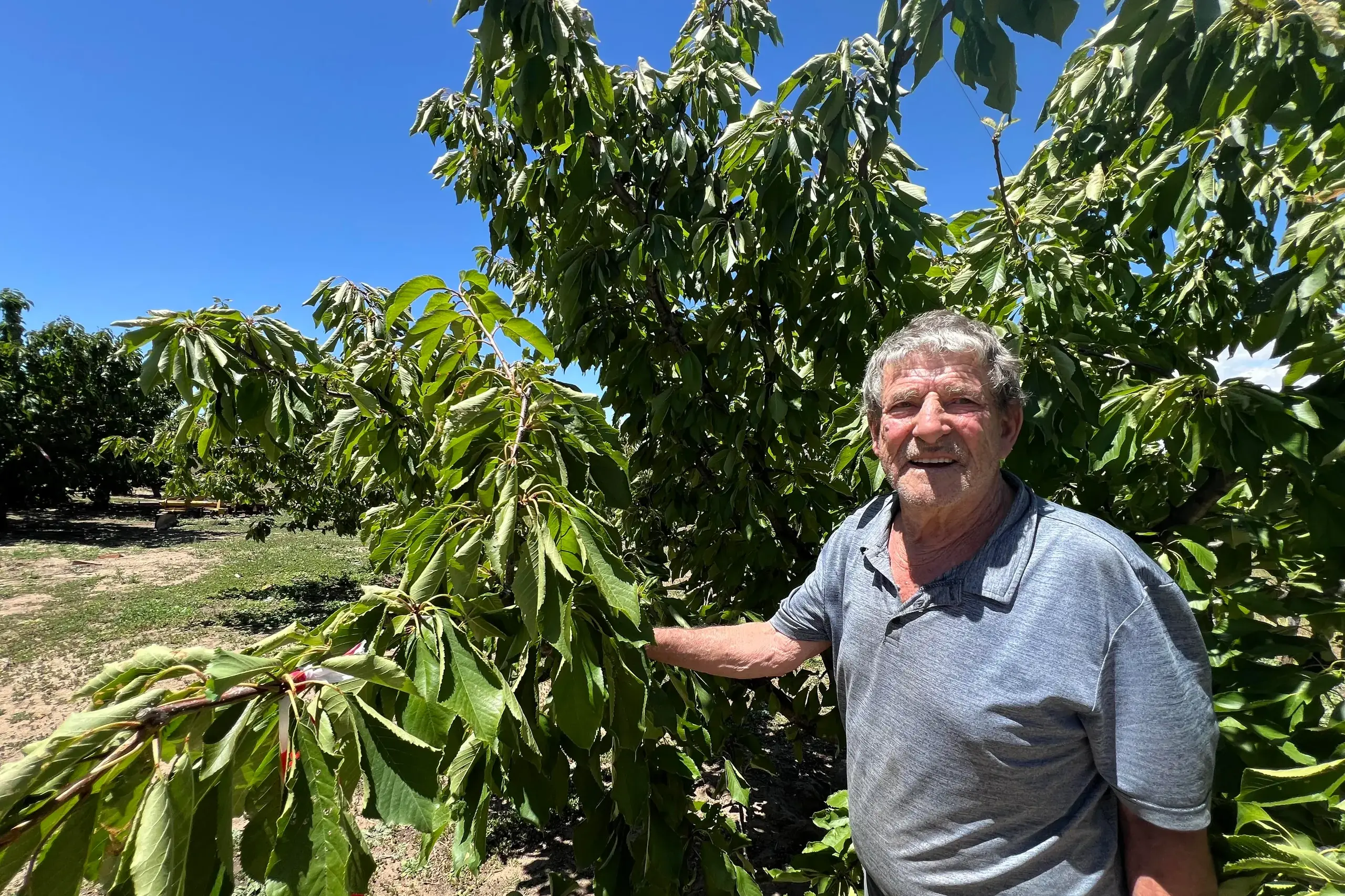
Glenrowan orchardist Michael Smith is used to battling the elements to produce cherries on the six hectares he has called home since 1972.
For more than five decades the orchard has provided a festive season staple, and last month was no different - albeit on a lesser scale to the heydays.
"At our peak we used to provide up to 300 five kilos cartons of cherries three times a week to the Melbourne market during the eight to nine week season," Michael recalled.
"We would start picking the first variety, Burgsdorf, in late October, and finish the season around December 12 with Morrello cherries.
"When we bought the orchard from Jimmy Jackson, who established it when he came back from the war, there were only a few varieties of cherries and we expanded that over the years to between 20 to 30 different varieties.
"The varieties ripen at different times so you are harvesting from one to another over that eight weeks.
"We haven't sent anything down to the Melbourne markets for several years though...ever since the government changed things within the industry by bringing in an hourly rate for pickers.
"People use to get paid for what they picked, and the good pickers could earn good money.
"But when the government bought in an hourly rate...tied in with bringing in workers from overseas, it killed it commercially and just wasn't worth our while."
In recent years Smith's Glenrowan Orchard has relied on farmgate sales and tourism, selling cherries on-site and at local markets and catering for visitors to come and pick their own.
"This season was quite challenging," Michael said.
"We lost about a third of our crop to birds...mainly cockatoos, crows, magpies and Indian miners, looking for food which was scarce in the drought conditions.
"We still got about 100 boxes of cherries in storage for those looking for fresh fruit."
The orchard's next crop will be quinces in March/April, with pomegranate, peaches, nectarines and figs also grown throughout the year.