PHOTO
67384.0
Senior Wangaratta CFA volunteers have warned the fire service has been set up to fail due to a chronic training deficit, as an inquiry into the 2026 Victorian bushfires hears evidence of systemic failures.
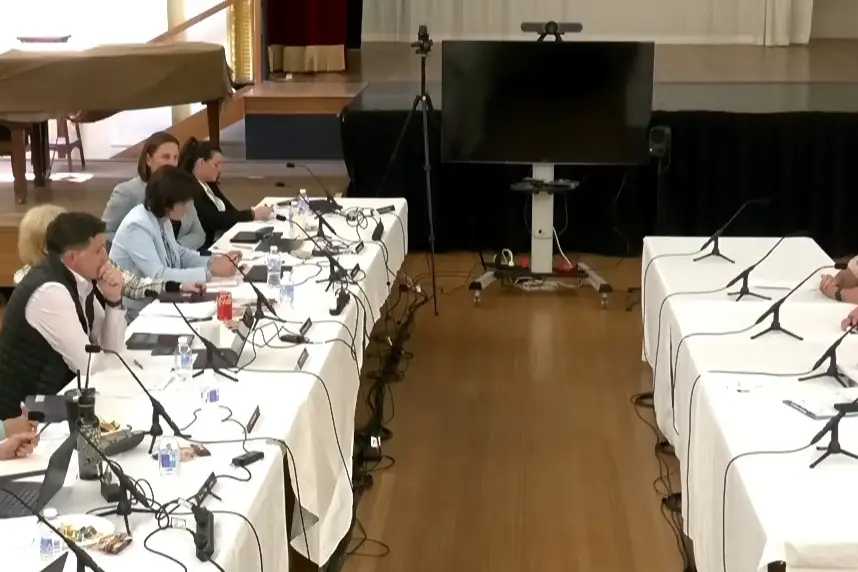
Wangaratta CFA group officer Lachie Gales was invited to speak at an open mic hearing at Alexandra as part of the parliamentary inquiry into the January bushfires.
The hearing was one of six at various communities across the state who were severely impacted by the January fires, which saw more than 1590 structures damaged or destroyed.
Many speakers in Alexandra laid bare deep anger, grief, and frustration, as residents, firefighters, and frontline workers detailed what they described as systemic failures before, during, and after the disaster.
It was at times an emotional forum for testimony about breakdowns in communication, command, and recovery, with speakers warning that lives had been put at risk and lessons from past disasters ignored.
For Mr Gales and the Wangaratta group strike team volunteers who worked day and night throughout the campaign, it was the human aspect of communication failure which was most poignant.
“That aspect revolves around a chronic shortage of the right people in the right places doing the right things,” he said.
“Across the board, CFA lacks depth in numbers for core roles on both the fireground and in incident management teams.
“The current situation sees us set up to fail.”
Following the Black Saturday bushfires in 2009, Mr Gales said he and other senior Wangaratta group CFA volunteers were beneficiaries of government funded training which enabled more firefighters to give guidance in critical situations.
Since then, Mr Gales said there had not been a renewal in the training of CFA volunteers, as campaign fires continued to mount over the years and as the training became increasingly complex, requiring an exceptional commitment for volunteers.
"We’ve got five or six qualified sector commanders [in the Wangaratta Group]; four or five of them are from my vintage… they’ve dropped the ball," he said.
"I can see the end of where I’ll be able to contribute, and I don't see enough people coming up behind me.
“That bushfire experience rests with the volunteers and the locals; we need to lean into that to prepare our people.
“We get a lot of headlines about our tanker fleet and equipment, and that’s relevant, but none of it is any use if we don’t have the people to lead it.”
Mr Gales said it was sobering to hear directly from the communities who were still in pain.
“It’s challenging to hear when we failed, we all work so hard not to fail, and it’s very challenging to hear stories of people where things weren’t what they should have been for them,” he said.
“It’s tough to have a fire in front of you, call for help, and help not arrive, you feel you’ve let people down.
“We need to have the best fire service in the world to cope with this… there was a time when we could say the CFA was the best volunteer brigade association in the world, but we haven't been able to say that for a long time.”
Prior to the Alexandra hearing, the state government announced a $148.6m investment into CFA appliances, stations and critical equipment.
Albeit welcomed, Volunteer Fire Brigades Victoria estimates showed the funding over 10 years was still short some $28m of what is needed to modernise an ageing fleet.
District 23 Volunteer Fire Brigades Victoria president Garry Nash said he hoped government officials could put together a clear plan and structure to set up the CFA moving forward.
“We’re asking the government to come work with us to best help out our communities,” he said.
"The risk is escalating quicker than we can probably match, it’s no good to say, 'this is what we’ll do' and put a band-aid on it for 2026 or 2027, you’ve got to be flexible, agile, and move forward."
Findings from the inquiry were not expected to be released before November this year.
Mr Gales said with an ominous summer outlook ahead, it was imperative the findings would be released and actioned as soon as possible.
“Notwithstanding some rain, this countryside is still dry, soil moisture is sub-par, and the eucalypts are looking distressed… we are not looking at an easy fire season next year,” he said.
“History shows the year before the big seasons was always hard— what we experienced in the 25-26 season could just be a taster of what is to come.”