PHOTO
Rural City of Wangaratta Council has backed a temporary pause of the Emergency Services Volunteer Fund (ESVF) by a further two years.
Earlier this month the state government announced the change as part of their budget update, which also included an increase in the property value threshold under the controversial new tax for volunteer exemptions from $5 million to $10 million.
Increases to the levy will now be deferred by a year to 1 July 2027 for investment properties, with the budget update citing time was needed to finalise and test "information sharing arrangements".
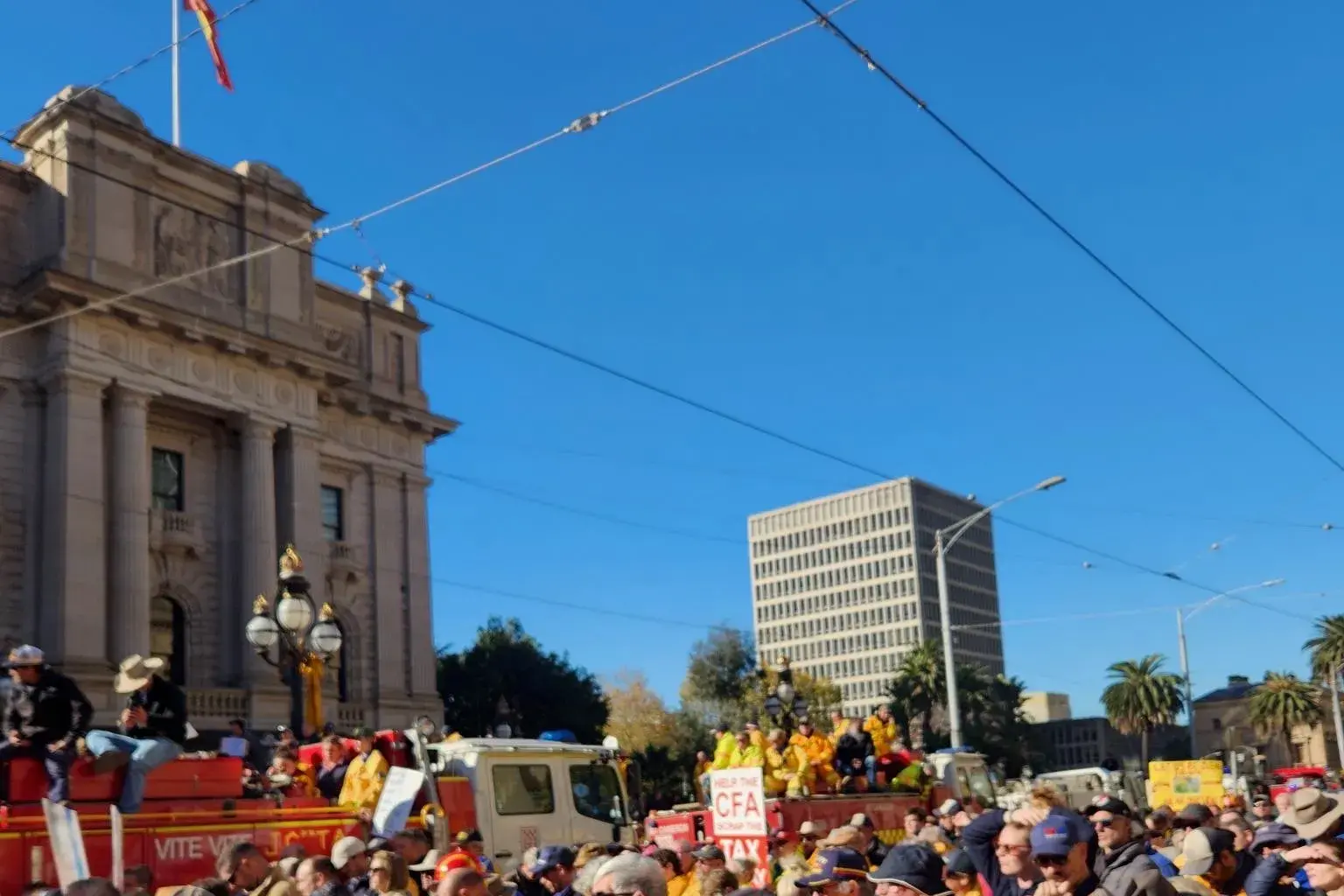
The ESVF received heavy opposition from farmers, emergency service members and councils as it passed through parliament in May this year.
The property tax was expected to increase the fire services levy on Rural City of Wangaratta ratepayers by $3.2 million, or 67 per cent.
Many local CFA brigades vowed not to attend emergency incidents outside their district prior to the commencement of the Fire Danger Period, in protest of the ESVF.
Wangaratta Mayor Irene Grant said council welcomed the temporary pause which provided much-needed relief during a challenging time for local farmers.
“We appreciate the recognition of these pressures and remain committed to working alongside our communities and emergency services to ensure sustainable solutions moving forward," she said..
Under the new fund, Victorian councils have been tasked with collecting the new tax on behalf of the state government.
Victorian Farmers Federation (VFF) president Brett Hosking said the move was a huge relief for farmers across the state.
“This tax was set to rip hundreds of millions out of the pockets of cash-strapped farmers in the middle of a record-breaking drought,” he said.
“Freezing the levy and increasing the exemption threshold acknowledges the massive pressure farmers have been under, particularly following years of drought and escalating operating costs.”
Mr Hosking said VFF would turn its attention to engaging in discussion with state government about how emergency services are funded in the long term.
“This cannot be the end of the conversation,” he said.
“A pause is great, but we need a permanent and fair and equitable funding model that reflects modern realities and doesn’t continue to load disproportionate costs onto property owners.”