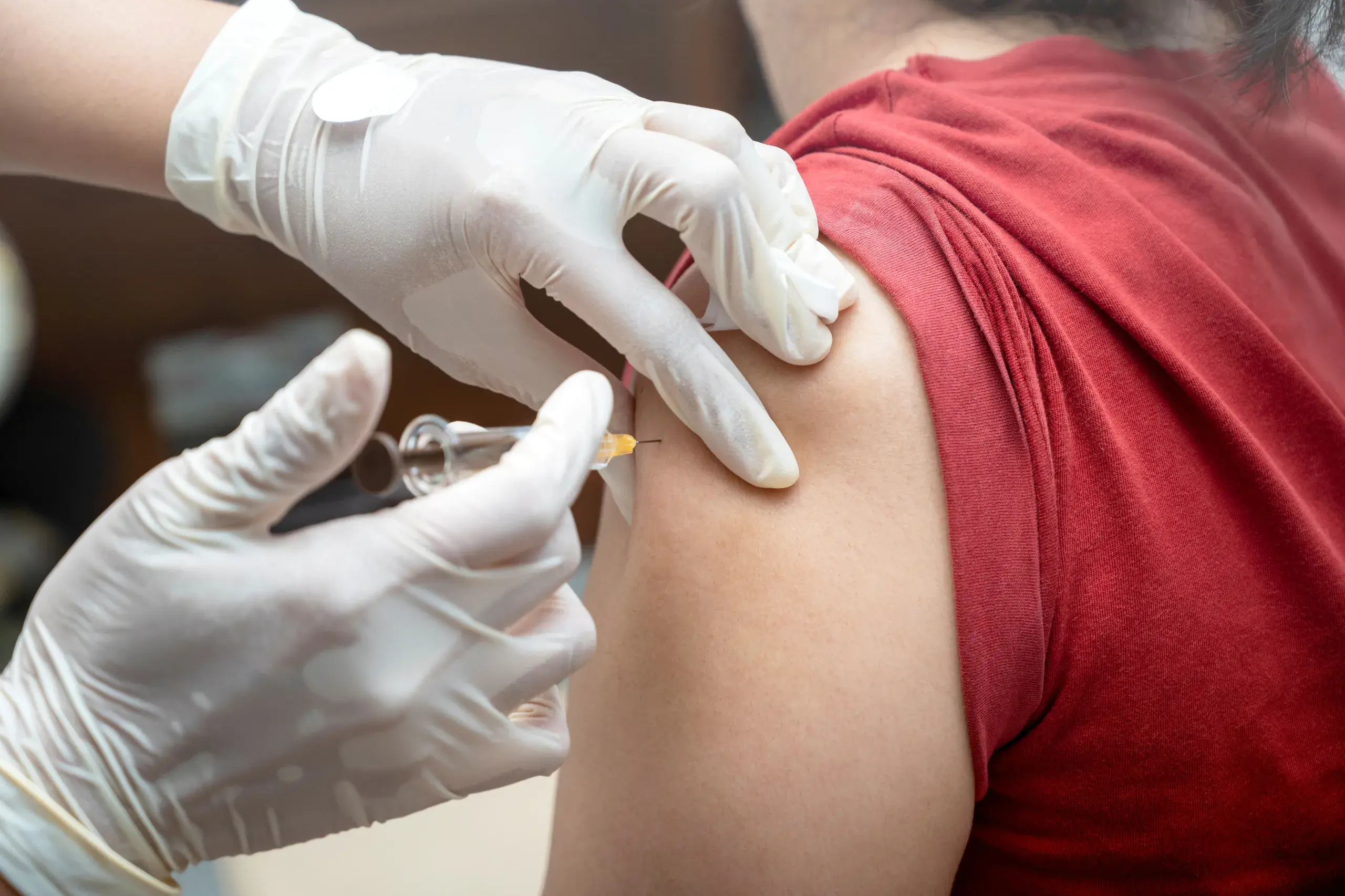
Three new measles cases in recently returned overseas travellers have been reported in Victoria. There is an ongoing risk of measles importation in travellers returning from overseas and interstate. New public exposure sites are listed at health.vic.gov.au/health-alerts/measles-public-exposure-sites-victoria Anyone who has visited a listed exposure site during the dates and times specified should monitor for symptoms of measles and follow the instructions provided. Measles is a highly infectious disease that spreads through airborne droplets. Trent Dean, Gateway Health’s chief executive officer, reminded the community that vaccination remains the most effective way to protect against the disease. “Measles is a highly contagious viral illness that can cause serious complications, particularly for infants, young children, pregnant people, and those with weakened immune systems,” Mr Dean said. “While the risk to the broader community remains low, these cases are a timely reminder of the importance of being fully vaccinated.” People living in and around Wangaratta are encouraged to check their immunisation status and ensure they are up to date with the measles, mumps and rubella (MMR) vaccine. Two doses of the measles-mumps-rubella (MMR) vaccine are required for immunity. “Vaccination not only protects individuals, it helps protect the wider community, including people who cannot be vaccinated for medical reasons,” Mr Dean said. “If you are unsure about your vaccination status, we encourage you to speak with your GP or a trusted health service." People born during or after 1966 who have not had two doses of MMR vaccine, or are unsure of their vaccination status, are advised to get vaccinated for measles. Travellers going overseas should ensure routine vaccinations, including for measles, are up to date. Vaccination is recommended at least two weeks before departure. Infants aged 6 to 11 months can receive a state-funded dose of MMR vaccine prior to overseas travel through their GP or Aboriginal Health Service. Local Public Health Units are rolling out local campaigns to help people access the MMR vaccine. For more information visit the Local Public Health Unit websites. Healthcare professionals should be alert for measles in patients with compatible illness, especially in those returning from international travel or who have attended an exposure site, and test, isolate and notify suspected measles cases immediately to their Local Public Health Unit by calling 1300 651 160. Anyone experiencing symptoms such as fever, cough, runny nose, sore eyes, or a rash should seek medical advice promptly and call ahead before attending a clinic. For more information, see the full CHO Alert at health.vic.gov.au/health-alerts/new-measles-case-in-victoria-4.